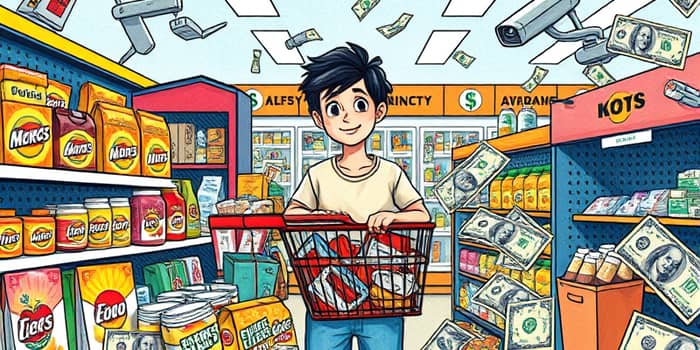
In a world that prizes speed, ease, and instant gratification, many of us pay a premium without realizing it. What appears as a small saving or an effortless transaction can quietly erode our purchasing power. From the grocery aisle to our digital subscriptions, invisible fees and subtle quality cuts are reshaping our budgets. By understanding these hidden costs, you can make empowered decisions and safeguard your wallet.
Whether you’re filling a shopping cart, subscribing to a new service, or considering a move-in ready home, there are strategies to protect your finances. Let’s explore the major convenience pitfalls and how to navigate them.
Shrinkflation and Skimpflation: The Invisible Price Hike
Grocery shelves and personal care aisles offer a striking example of stealthy inflation. Rather than raising sticker prices, brands often reduce package sizes by 11% on average or cut corners on ingredients. A box of granola bars might drop from ten bars to eight—a 20% effective price increase—while maintaining the same tag.
Skimpflation goes further by dampening quality. Fewer chocolate chips in cookies or a thinner layer of deli meat might not trigger the same consumer outrage as a direct price hike. Research from the Kilts Center shows that shoppers react less to size and quality shifts than to overt cost increases, allowing companies to retain profit margins undetected.
Subscription Traps and Eroding Value
Subscriptions have revolutionized access to media, software, and services, but they come with their own hidden toll. On average, Americans shell out $1,000 per year on subscriptions, yet leave about $200 unused in forgotten or underutilized plans. Many services now tier their offerings so that what was once standard—ad-free streaming, free delivery—becomes an upsell.
Sports fans find quarterly fees scattered across platforms, ride-share apps tack on “priority” surcharges for on-demand pickup, and automakers shift once-flat features into monthly subscriptions. These shifts not only drive recurring revenue for companies but condition consumers to accept declining value as the new normal.
Surveillance Pricing and Personalized Upcharges
Online shopping and digital bookings tap into a treasure trove of personal data. Retailers, travel sites, and food delivery apps analyze browsing habits, location, device type, and purchase history to serve dynamic pricing offers. You might see a hotel room at one rate on your laptop and a higher rate on your phone because the platform infers a willingness to pay more.
The Federal Trade Commission warns that such tactics vary by vendor, app, and even search history. By comparing prices across devices, using VPNs, or consulting third-party aggregators, you can sidestep some of these stealthy surcharges.
Convenience Retail: Hidden Fees and Operational Costs
Even brick-and-mortar retailers feel the squeeze. Convenience stores, long reliant on fuel sales, now grapple with $250–$300 per site per month in idle-cash settlement fees and up to 20 hours of manual labor weekly for cash handling. As gas prices fall and visits decline—down roughly 2% in Q3 2025—flat transaction counts limit basket growth.
To compensate, many operators push premium “immediate consumption” bundles—an $8 fuel kit loaded with candy, chips, and drinks. While appealing, these packs carry steep markups that quietly hit consumers at the pump and the counter.
Move-In Ready Premiums in Real Estate
The real estate market also leverages the allure of convenience. “Move-in ready” properties command a premium of 15–20% over comparable fixer-uppers. With a national median home price of $512,800 in Q4 2025, buyers routinely pay an extra $75,000+ for cosmetic touches and turnkey appliances.
While the appeal of a stress-free transition is high, it’s essential to weigh the upfront savings against long-term mortgage and opportunity costs. A willingness to invest sweat equity can translate into substantial financial rewards.
Strategies for Smart Wallet Choices
Confronting these hidden costs begins with awareness and simple habits. To reclaim control over your spending, start by auditing your everyday expenses:
- Audit everyday goods: Compare unit prices, switch to store brands, and avoid pint-sized convenience packs.
- Review subscriptions regularly: Track trial periods, disable auto-renew, and cancel plans you no longer use.
- Compare across channels: Check prices on different devices, utilize browser extensions, and consult aggregators.
For small business owners or anyone handling cash and retail operations, practical steps can reduce hidden drains:
- Adopt next-day ACH: Lower settlement fees and minimize manual cash handling labor.
- Leverage in-store recycling: Install ATMs or bill-pay kiosks to generate fee-based revenue.
Embracing Value Over Pure Convenience
While it’s tempting to opt for ease above all else, prioritizing long-term value can reshape your financial outlook. Bundling products, customizing plans, or even tackling DIY home projects fosters resilience against stealthy price hikes.
In 2026’s challenging economic landscape—characterized by flat wages, unmeasured quality cuts, and rising operational expenses—every dollar saved strengthens your flexibility. By making informed, proactive choices, you transform frustration into empowerment and ensure that conveniences enhance, rather than undermine, your wallet.
The hidden costs of convenience aren’t going away, but neither is your ability to outsmart them. With vigilance and these practical tactics, you can preserve your purchasing power and build a more sustainable financial future.
References
- https://www.aol.com/articles/2026-invisible-expenses-quiet-costs-121025883.html
- https://www.convenience.org/Media/Daily/2026/February/5/2-3-Hidden-Costs-of-Idle-Cash_Finance
- https://www.cstoredive.com/news/8-trends-2026-convenience-retailing-c-store/807748/
- https://juliannedclark.substack.com/p/the-true-cost-of-convenience-navigating
- https://www.verticalvendors.com/immediate-consumption-trend-2026-retail-display