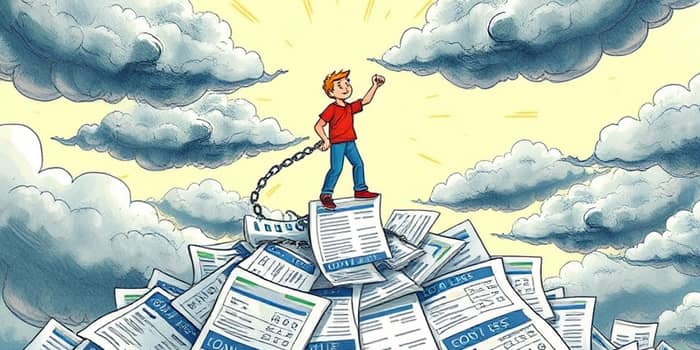
Empower your repayment journey with effective strategies and lasting financial confidence.
Understanding the Student Debt Landscape
In 2025, over 42 million Americans carry federal student loan debt, amounting to a staggering $1.67 trillion. When private loans are added, the total climbs to $1.81 trillion—a figure that has more than tripled since 2007. This crisis touches all walks of life: recent graduates struggling to find footing, mid-career professionals still paying off educational costs, and even retirees who postponed other goals to meet monthly payments.
The gap between average and median balances reveals hidden hardship. While the average borrower owes roughly $39,000, half of borrowers carry less than $25,000 and half owe more. Millions face balances exceeding six figures, creating stress that can affect mental health, family planning, and long-term financial goals. Yet beneath these numbers lies an opportunity: with clarity, discipline, and the right tools, borrowers can reclaim control over their finances and their futures.
Exploring Repayment Plans
Choosing the right repayment plan is a pivotal first step toward reducing accrued interest and achieving manageable payments. The default standard plan divides debt into 120 fixed monthly payments over ten years, offering the fastest path to freedom for those who can afford it.
- Income-Driven Repayment (IDR) Plans: Payments adjust based on income and family size, with forgiveness after 20 or 25 years.
- Graduated Repayment: Starts with lower payments that rise every two years, easing early financial strain.
- Extended Repayment: Spreads payments up to 30 years for lowered monthly obligations.
Common IDR options include SAVE, PAYE, IBR, and ICR plans. Each requires annual income certification but can transform your debt journey by aligning payments with what you actually earn. Borrowers should review eligibility criteria, projected payment amounts, and long-term forgiveness prospects before enrolling.
Proven Strategies for Accelerated Repayment
Beyond selecting a repayment plan, borrowers can adopt targeted tactics to shave years off repayment and save thousands in interest. These methods combine simple habits with strategic financial moves.
- Make Extra Principal Payments: Apply any windfalls—bonuses, tax refunds, or gifts—directly to principal to reduce interest accrual.
- Enroll in Autopay Discounts: Secure a 0.25% interest rate reduction by setting up automatic bank withdrawals.
- Adopt Biweekly Payments: Split your monthly bill into two payments every two weeks to create an extra payment each year.
- Use Debt Avalanche or Snowball: Target highest-interest loans first for maximum savings, or pay off smallest balances to build momentum.
- Refinance When Appropriate: Consolidate loans at a lower rate, but weigh lost federal benefits against potential savings.
Imagine Sarah, burdened by $50,000 in student debt at 5% interest. By adding $150 monthly toward principal and leveraging her annual bonus, she cut five years off her repayment timeline. Small, consistent actions accumulate immense gains over time.
Navigating Loan Forgiveness Programs
For eligible public servants, teachers, and nonprofit workers, forgiveness programs offer vital relief. While requirements can be complex, understanding pathways to discharge can alleviate decades of financial pressure.
Applying for forgiveness demands meticulous record-keeping, annual certifications, and timely employer certifications for PSLF. While the process can feel daunting, every approved application brings borrowers closer to a fresh financial start.
Building a Sustainable Financial Future
Emerging from student debt is more than eliminating a balance—it’s about instilling habits that ensure lifelong financial health. A holistic approach blends practical money management with an empowered mindset.
Begin with a detailed budget that tracks income, essential expenses, and discretionary spending. Identify areas to trim—streaming subscriptions, dining out less, or negotiating utilities—and redirect those savings to loans or investments. Leverage side gigs or freelance work to launch a lucrative side hustle and funnel additional earnings into accelerated payments.
Align payment due dates with paychecks to avoid late fees and maintain momentum. Automate savings transfers to create an emergency cushion that prevents new debt when unexpected costs arise. Celebrate milestones—each loan paid off, each year of consistent payments—to reinforce discipline and build confidence.
Ultimately, overcoming student loan debt demands patience, strategy, and resilience. By selecting the right plan, applying targeted repayment strategies, exploring forgiveness options, and embracing sound financial habits, borrowers can build financial resilience and unlock new opportunities. The journey may be challenging, but with each proactive step, a future of true economic freedom comes into clearer focus.
References
- https://www.bestcolleges.com/research/average-student-loan-debt/
- https://www.bairdwealth.com/insights/wealth-management-perspectives/2020/04/the-smart-way-to-pay-off-student-loans/
- https://educationdata.org/student-loan-debt-statistics
- https://www.nerdwallet.com/student-loans/learn/pay-off-student-loans-fast
- https://www.federalreserve.gov/publications/2025-economic-well-being-of-us-households-in-2024-higher-education-and-student-loans.htm
- https://www.lendkey.com/blog/federal-student-loans/11-proven-strategies-to-pay-off-student-loans/
- https://www.newyorkfed.org/newsevents/news/research/2025/20251105
- https://landmarkcu.com/blog/pay-off-student-loans-faster/
- https://studentaid.gov/data-center/student/portfolio
- https://studentaid.gov/manage-loans/repayment/repaying-101
- https://www.congress.gov/crs-product/IF13113
- https://www.consumerfinance.gov/paying-for-college/repay-student-debt/student-loan-debt-tips/
- https://www.winssolutions.org/us-student-loan-statistics-2025/
- https://studentaid.gov/manage-loans/repayment/plans
- https://fsapartners.ed.gov/knowledge-center/library/electronic-announcements/2025-07-23/nonpayment-rates-institution-default-prevention-resource-nslds-delinquent-borrower-report
- https://www.edcapny.org/resources-for-borrowers/student-loan-repayment-strategies-plans/