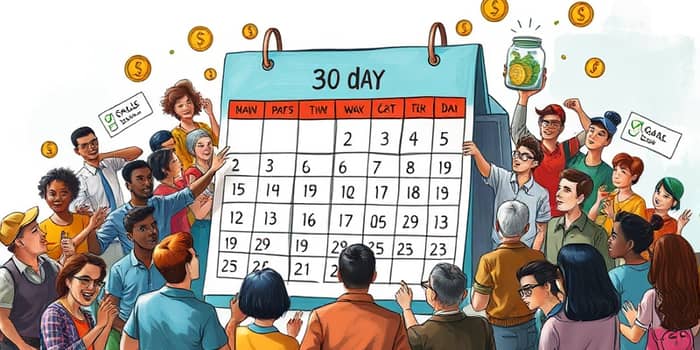
Embarking on a structured financial journey can transform your relationship with money. This 30-day challenge is crafted to empower you with clear steps and unwavering support, turning small actions into lasting habits.
Why a Financial Fitness Challenge Works
A challenge framework provides a roadmap rather than vague advice. By pairing reflection-based days with action-oriented tasks, participants gain both insights into their spending patterns and tangible progress toward goals. This balanced approach helps you build stronger financial habits through consistent action without feeling overwhelmed by drastic changes.
With daily tasks, you stay engaged and accountable. Small wins—like automating a transfer or skipping an impulse buy—compound into significant improvements in your savings and mindset over just one month.
Key Objectives and Goals
Before diving in, clarify what you want to achieve. This challenge aims at:
- Getting finances organized
- Reducing unnecessary expenses
- Increasing income or earning capacity
- Strengthening your financial mindset
- Educating yourself on money management
- Building community and accountability
- Measuring tangible progress
These goals interlock to create comprehensive financial improvement rather than fixating on a single aspect of your finances.
Week-by-Week Breakdown
To maintain clarity, here’s a quick overview of each phase:
Deep Dive: Weeks 1–2
In the first half of the challenge, you focus on establishing routines and scrutinizing habits. Let’s explore the key activities.
Day 1: Identify two financial goals—one essential (like an emergency fund) and one enjoyable (a weekend getaway). Allocate a small amount toward each immediately to create momentum.
Day 2: Use intentional thinking with affirmations. Repeat phrases like “I am moving toward financial wellness with purpose and power” to shift mindset.
Day 3: Set up automated transfers monthly. Schedule at least $50 (or an amount that matters to you) from checking into savings each pay period.
Day 4: Select a financial literacy book—either from your library or an online resource—and commit to reading for 15 minutes daily.
Day 7: Decline one non-essential purchase to practice mindful spending. Notice the impulse and redirect those funds into your savings.
Day 8: Complete financial literacy courses or training online or through community programs. Apply one new insight to your budget immediately.
Day 9: Check savings account progress and set a realistic three-month goal—anywhere from $100 to $1,000 depending on your capacity.
Additional foundational tasks:
- Setting up a bill-paying system
- Checking credit reports and scores
- Creating a budget or updating one
By Day 10, you’ll have momentum and practical tools to guide decisions.
Tracking and Optimization: Week 2
The next phase is all about reviewing your habits and optimizing. Awareness leads to smarter adjustments.
Day 11: Separate monthly expenses into “Love,” “Like,” and “Leave” lists. This reveals where you derive value versus where you overspend.
Day 12: Pull your credit score and monitor for errors. Setting up alerts can help you catch problems early.
Day 13: Try a 24-hour no-spend day and journal how you feel. Reflection deepens understanding of spending triggers.
Day 14: Review bank statements and highlight impulse purchases. Aim to redirect that money toward a priority goal.
Day 15: Automate three bill payments to reduce the risk of late fees and free up mental space.
Day 18: Brainstorm three realistic side-hustle or income ideas. Choose one to research further.
Day 19: Plan a home-cooked meal to replace a takeout order. It saves money and builds culinary confidence.
Day 20: Celebrate your 20-day streak with an accountability partner. Share wins and challenges to strengthen commitment.
Additional Week 2 activities:
- Prioritize debt repayment focusing on high interest
- Switch to generic store brands for groceries
- Cancel unused media subscriptions and memberships
Consolidation and Long-Term Mindset: Weeks 3–4
As you move into the final days, it’s time to align spending with values and set up lasting systems.
Day 21: Identify one money value—such as independence, generosity, or stability—to guide every decision.
Day 22: Write a specific retirement savings goal for the next three months and automate an extra $100 if possible.
Day 27: Conduct another 24-hour no-spend day to reinforce the difference between wants and needs.
Day 28: Perform a digital cleanup: organize finance-related emails, unsubscribe from impulse-triggering retailers, and delete redundant apps.
Day 29: Schedule a financial check-in with your accountability buddy three months from now to review progress.
Day 30: Reflect on your journey: what felt effortless, what surprised you, and which habits you’ll keep moving forward.
Advanced Savings and Spending Strategies
Beyond the core challenge, you can explore:
No-spend periods for a week or a month to practice discipline. Using cash envelopes for categories can heighten awareness. A daily savings challenge—depositing as little as £0.10 to £0.50—can net nearly £500 in 30 days.
Walk or cycle instead of driving to unlock potential savings of around £3,000 per year. Trim wasted subscription fees—people often lose £30 monthly on services they never use. Redirect those funds toward high-yield savings or debt repayment.
Staying Accountable and Celebrating Success
Community and accountability are the glue that holds this challenge together. Partner with a friend or join an online group to share progress, swap tips, and celebrate milestones like a 20-day streak or hitting a savings target.
Measure your success through tangible metrics:
- Reduction in expenses month over month
- Increase in savings balances
- Improved credit scores
- Debt reduction progress
- Consistency in daily tasks
By the end of 30 days, you’ll have cultivated lasting money management habits that support your long-term goals. Remember, financial fitness is a journey, not a sprint—carry these strategies forward, adjust as needed, and watch your wealth and confidence grow.
References
- https://www.oneunited.com/blog/financial-literacy-challenge-30-days-to-a-better-money-mindset/
- https://mezclada.co/the-60-day-financial-fitness-challenge-is-about-to-begin/
- https://www.mindful.sodexo.com/uk/challenge/30-days-of-smart-financial-choices/
- https://www.experian.com/blogs/ask-experian/improve-your-financial-health-in-30-days/
- https://www.moneynuggets.co.uk/30-day-challenge-ideas-to-save-big/
- https://www.becu.org/blog/financially-fit-30-tips-to-build-money-muscles
- https://www.usbank.com/financialiq/manage-your-household/personal-finance/adulting-challenge-financial-wellness-tasks.html
- https://experiencelife.lifetime.life/article/all-about-the-dynamic-30-challenge/