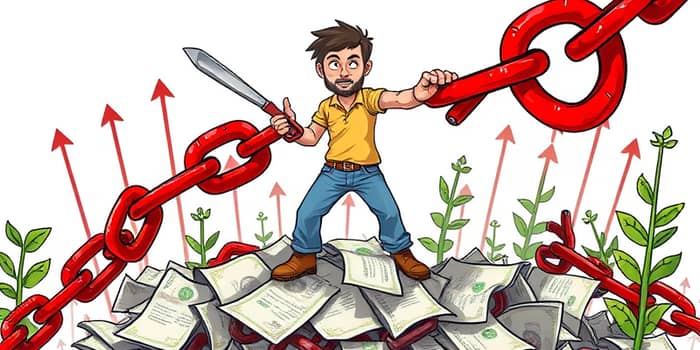
In a nation where only 23% of individuals are free from financial obligations, the dream of living without debt can often feel like a distant ideal. Yet, every journey begins with a single step, and financial freedom is no different. By equipping yourself with the right knowledge, mindset, and practical strategies, you can transform your relationship with money, conquer your loans, and ultimately experience the ultimate path to financial freedom. This guide offers a comprehensive roadmap, blending data-driven insights with real-world tactics to help you embark on a sustainable debt elimination journey.
Understanding the Debt Crisis in America
As of 2025, debt is a defining feature of the American financial landscape. Surveys reveal that just under one quarter of the population has managed to remain debt-free, a statistic that underscores the widespread challenges faced by households across income levels. Credit card balances average $7,719, and over half of all adults carry revolving balances month to month. These pressing figures highlight a national urgency: over 44% of Americans have ranked debt reduction as their top financial priority, pushing past saving for major purchases and retirement planning.
The ripple effects of this debt load extend beyond numbers. Financial stress is on the rise, with 68% of adults reporting anxiety over their monetary obligations. Nearly half of those carrying credit card balances feel that debt has prevented them from living the life you want. With long-term concerns about debt’s effect on goals and well-being, the need for a practical, emotionally supportive approach to repayment has never been more urgent.
The Psychological Freedom of Slashing Debt
Debt is more than a series of numbers on a statement; it is a persistent mental weight. In fact, 84% of Americans agree that reducing debt would significantly lower stress in their daily lives. Imagine waking up without the dread of interest charges, minimum payments, or late fees. The mere act of chipping away at balances can create a profound sense of relief and accomplishment, fueling momentum to continue the journey.
This mental transformation is critical. As balances decrease, confidence grows, and with it, a belief in personal agency. Financial empowerment becomes contagious: paying off one loan can inspire you to tackle the next, fostering a cycle of positive reinforcement. Through establishing accountability, whether via journaling, partnering with a friend, or using digital tools, you can cultivate the sturdy foundation for long-term success required to remain debt-free.
Root Causes and How to Address Them
Understanding why debt accumulates is essential to prevent it from returning. Analysis shows that inflation tops the list, cited by 44% of Americans as a catalyst for increased borrowing in 2024. Day-to-day expenses and overspending follow close behind, demonstrating that even essential costs can outpace income without careful planning.
- Inflation driving up everyday prices
- Regular living expenses exceeding budgets
- Impulse buying and lack of tracking
By acknowledging these triggers, you can design targeted interventions. Meal prepping and bulk buying help combat rising grocery costs. Establishing a clear budget with designated categories ensures that no surprise expense derails your progress. Most importantly, cultivate mindful spending and budgeting habits that align with your long-term goals rather than short-term satisfactions.
Proven Habits of Debt-Free Americans
Those who have achieved debt-free status share several key behaviors. Many credit early financial education and consistent monitoring of balances as cornerstones of their success. By learning from these real-life examples, you can adopt practices that foster discipline, awareness, and steady progress on your own journey.
- Never spending more than what’s available in the bank account
- Tracking every expense through budgeting apps or journals
- Directly paying off purchases to avoid accumulated charges
- Setting up automatic payments to ensure consistency
- Cultivating a frugal mindset focused on needs versus wants
- Maintaining an income significantly higher than monthly outflows
These habits may require an initial adjustment period, but they compound over time, yielding substantial monetary and psychological returns. Embracing these routines can anchor your commitment, reduce decision fatigue, and safeguard against unexpected financial setbacks.
Building a Sustainable Debt Payoff Plan
No two financial situations are identical, but every effective debt payoff strategy shares common elements: clarity, structure, and adaptability. Begin by listing all debts, their balances, interest rates, and minimum payments. This transparency empowers you to choose the approach that best fits your personality—whether you tackle the smallest balances first (snowball method) or focus on the highest interest rates to minimize long-term costs (avalanche method).
Set realistic benchmarks for progress. According to national surveys, timelines vary widely: while 29% of people aim to clear all debts within a year, a larger group anticipates a multi-year effort. Recognize that progress, no matter how incremental, is worth celebrating, and adjust your plan as you gain momentum.
This table offers benchmarks, but your progress may outpace or lag behind these averages. The critical factor is consistent action. Allocate any extra income—such as bonuses or side gig earnings—directly to repayments. By prioritizing debt, you shorten the payoff timeline and reduce total interest costs, accelerating your debt elimination journey with steady progress.
Behavioral Changes for Lasting Financial Health
Achieving debt freedom is only the beginning; sustaining it requires ongoing vigilance and positive habits. Redirect the mental energy once spent on debt worries toward cultivating savings and investments. Adopt regular financial check-ins—weekly or monthly—to review your statements, adjust budgets, and set new objectives. This recurring practice reinforces accountability and prevents minor slips from growing into significant challenges.
Developing a reward system for milestones helps maintain motivation. For instance, treating yourself to a modest, budgeted non-monetary reward—like a free nature hike or a favorite home-cooked meal—celebrates progress without undermining financial goals. Through these steps, you can build the lifelong financial confidence and peace that transforms momentary achievements into enduring freedom.
Balancing Debt Payoff with Emergency Savings
Stress arises not only from debts but also from insufficient financial buffers. While prioritizing loan repayments, aim to maintain or grow an emergency fund. Data shows that 53% of Americans have more in savings than credit card debt, a reassuring improvement over prior years. Striking the right balance ensures that unexpected expenses—medical bills, car repairs, or sudden income changes—do not derail your progress.
One effective tactic is the “dual bucket” approach: designate a small, automatic transfer into your emergency savings each payday while simultaneously making extra payments on debt. Even a modest weekly contribution adds up over time, creating a balanced emergency fund cushion that reduces the temptation to borrow when crises arise.
Your journey toward debt-free living is a testament to discipline, resilience, and the human capacity for transformation. By combining data-driven strategies with intentional behavioral shifts, you can conquer your loans and build a brighter, more secure future. Embrace this path to freedom, celebrate each milestone, and remember that financial well-being is both a destination and a lifelong adventure.
References
- https://www.lendingtree.com/credit-cards/study/debt-vs-weight/
- https://www.nationaldebtrelief.com/es/blog/financial-wellness/financial-education/in-america-debt-free-life-is-possible/
- https://rbj.net/2025/11/11/keybank-financial-mobility-survey-2025/
- https://finance-commerce.com/2025/11/americans-redefine-financial-success-as-debt-free-living/
- https://listwithclever.com/research/average-american-credit-card-debt-2025/
- https://www.bankrate.com/banking/savings/emergency-savings-report/
- https://www.cfp.net/news/2024/12/reducing-debt-is-americans-no-1-financial-priority-for-2025-cfp-board-research-finds